
Methods of Critical Thinking Questions
Activity 1. The term critical thinking suggests the idea of not readily accepting any given blogger.com terms of school students reading a literary text, critical thinking would involve asking why or how questions about the text: why has the writer used this character as the hero?/why is the story narrated in the first person?/how does the climax resolve the conflict? Choose two or three which make the most sense to you, and start there. Questions about the overall text (a) What is the purpose/aim of this text? How do you know? How might this influence the way it is written? (b) Can you see any justification (direct or implied) for the research decisions? Do the justifications seem reasonable? · We’ve rounded up all of the best critical thinking questions to help you get your students to the next level. Critical Thinking Questions That Start With Who Who caused harm? Who is harmed as a result? Who was the most important character? Who is responsible? Who said it? Who wrote it? Who should have won? Who will benefit?Estimated Reading Time: 3 mins

20 Literature Response Questions
· To think critically, there must be something to think critically about. With literature, it’s a text that leaves your students puzzling and asking questions about a character, event, symbol, or structure. Predictable or moralistic texts with flat characters don’t generate intriguing questions. When texts are sufficiently complex, the Estimated Reading Time: 3 mins · We’ve rounded up all of the best critical thinking questions to help you get your students to the next level. Critical Thinking Questions That Start With Who Who caused harm? Who is harmed as a result? Who was the most important character? Who is responsible? Who said it? Who wrote it? Who should have won? Who will benefit?Estimated Reading Time: 3 mins · Methods of Critical Thinking Questions 1. The 5 W’s and the H These are the absolute basics of critical thinking. The Who, What, Where, When, Why, and How are foundational questions that are taught over and over in journalism, investigation, and research. They are the base from which every critical analysis should be created
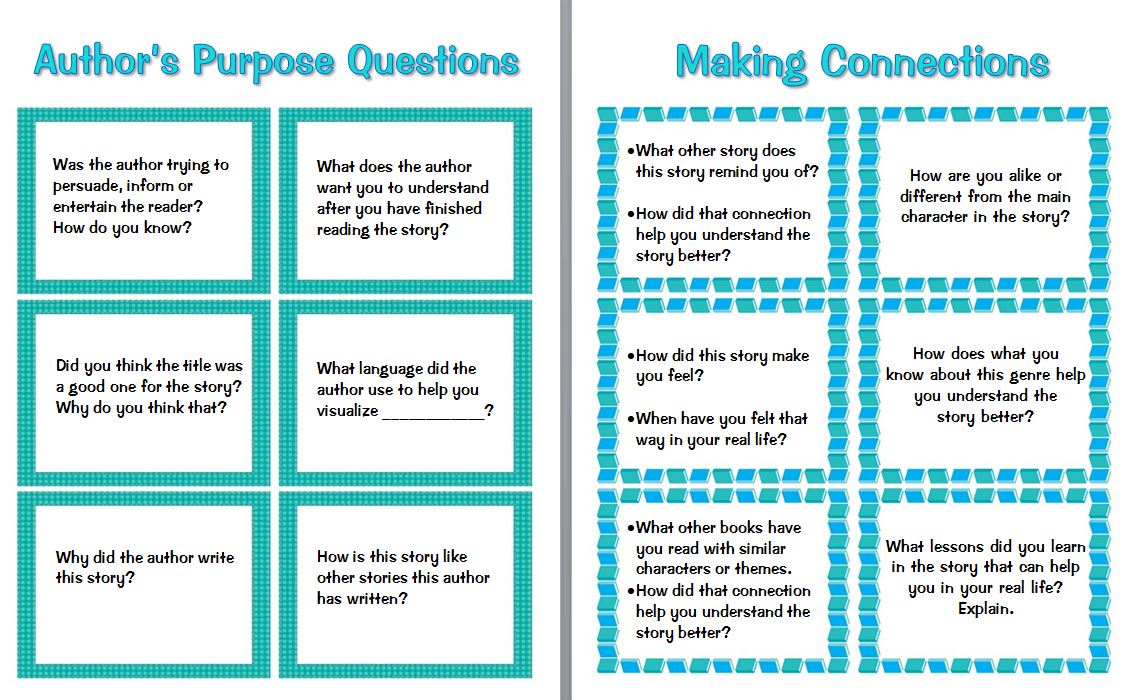
IOE Writing Centre Online
Choose two or three which make the most sense to you, and start there. Questions about the overall text (a) What is the purpose/aim of this text? How do you know? How might this influence the way it is written? (b) Can you see any justification (direct or implied) for the research decisions? Do the justifications seem reasonable? Activity 1. The term critical thinking suggests the idea of not readily accepting any given blogger.com terms of school students reading a literary text, critical thinking would involve asking why or how questions about the text: why has the writer used this character as the hero?/why is the story narrated in the first person?/how does the climax resolve the conflict? purposeful, reasoned and goal directed’. Halpren (, p. 4) states, ‘Critical thinking is purposeful, reasoned, and goal-directed. It is the kind of thinking involved in solving problems, formulating inferences, calculating likelihoods, and making decisions. Critical thinkers use these skills appropriately, without prompting, and
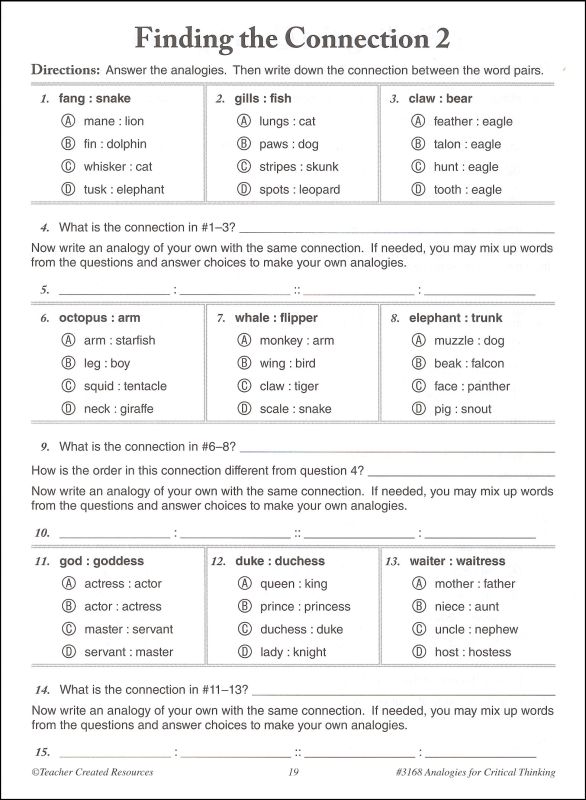
The Standard of Questions You Should Ask
· Here are some critical thinking questions to ask when you are in a debate or discussion. Is there fairness in this discussion? Is the moderator supporting one side? Do they want to make one side look stupid or wrong? What is the aim of this discussion? Is there a major problem that needs to be solved? If so, how can I help solve it? Choose two or three which make the most sense to you, and start there. Questions about the overall text (a) What is the purpose/aim of this text? How do you know? How might this influence the way it is written? (b) Can you see any justification (direct or implied) for the research decisions? Do the justifications seem reasonable? · Methods of Critical Thinking Questions 1. The 5 W’s and the H These are the absolute basics of critical thinking. The Who, What, Where, When, Why, and How are foundational questions that are taught over and over in journalism, investigation, and research. They are the base from which every critical analysis should be created

Ready-to-Go Reading Response Questions to Get Your Students Thinking
purposeful, reasoned and goal directed’. Halpren (, p. 4) states, ‘Critical thinking is purposeful, reasoned, and goal-directed. It is the kind of thinking involved in solving problems, formulating inferences, calculating likelihoods, and making decisions. Critical thinkers use these skills appropriately, without prompting, and Activity 1. The term critical thinking suggests the idea of not readily accepting any given blogger.com terms of school students reading a literary text, critical thinking would involve asking why or how questions about the text: why has the writer used this character as the hero?/why is the story narrated in the first person?/how does the climax resolve the conflict? · We’ve rounded up all of the best critical thinking questions to help you get your students to the next level. Critical Thinking Questions That Start With Who Who caused harm? Who is harmed as a result? Who was the most important character? Who is responsible? Who said it? Who wrote it? Who should have won? Who will benefit?Estimated Reading Time: 3 mins

No comments:
Post a Comment